
Tour

Polonnaruwa

Polonnaruwa – Ancient City of Royalty

Polonnaruwa, the medieval capital of Sri Lanka, is a stunning UNESCO World Heritage Site that takes you back to the golden age of Sinhalese kings. Famous for its impressive ruins, massive reservoirs, and spiritual sites, Polonnaruwa is a must-visit destination for history lovers and cultural explorers.

Once ruled by King Parakramabahu I in the 12th century, the city was a hub of advanced irrigation, religious harmony, and architectural excellence. Today, its ancient temples, royal palaces, and stone-carved Buddha statues offer a glimpse into Sri Lanka’s rich heritage.

Why Visit Polonnaruwa?

Polonnaruwa is more than an archaeological site; it’s a journey through Sri Lanka’s royal past. From ancient engineering marvels to spiritual serenity, every step reveals the legacy of a kingdom that once stood proud and prosperous. A visit here leaves you with a deeper understanding of the island’s cultural soul.

Top Attractions in Polonnaruwa

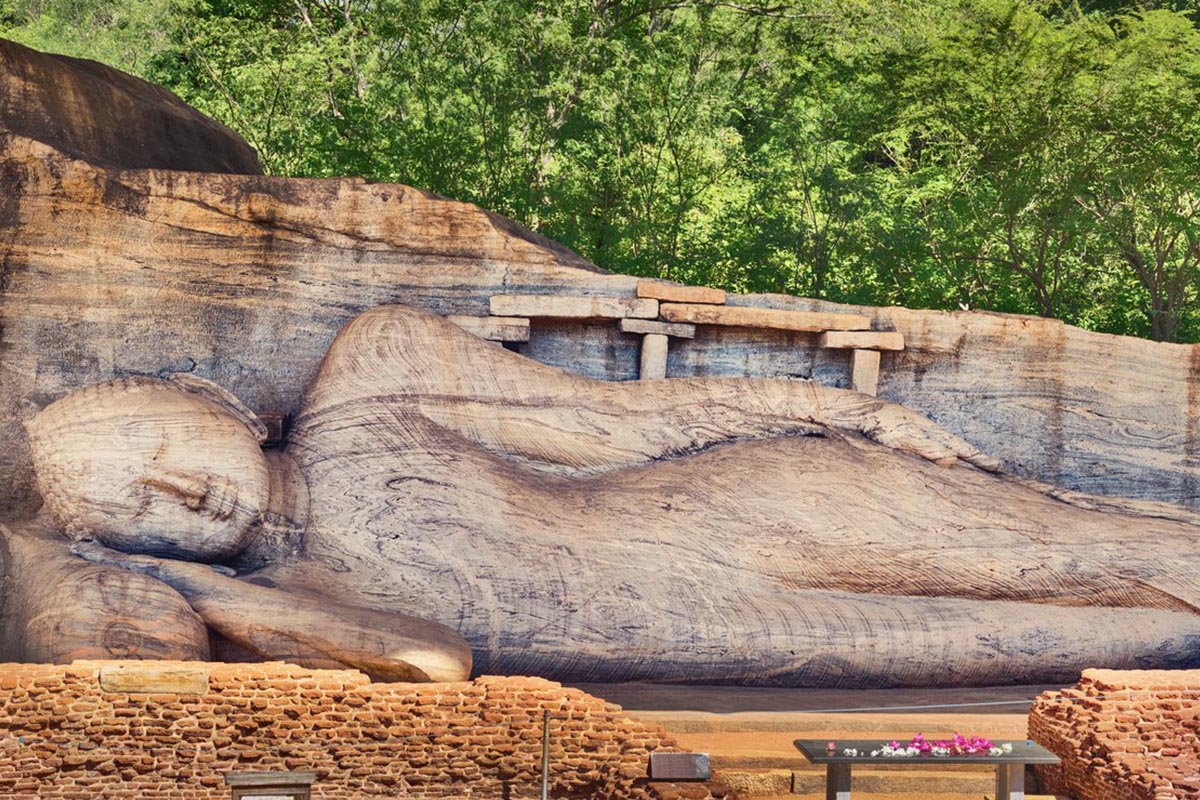
Gal Vihara

Gal Vihara

Granite-carved Buddha statues radiating peaceful beauty.
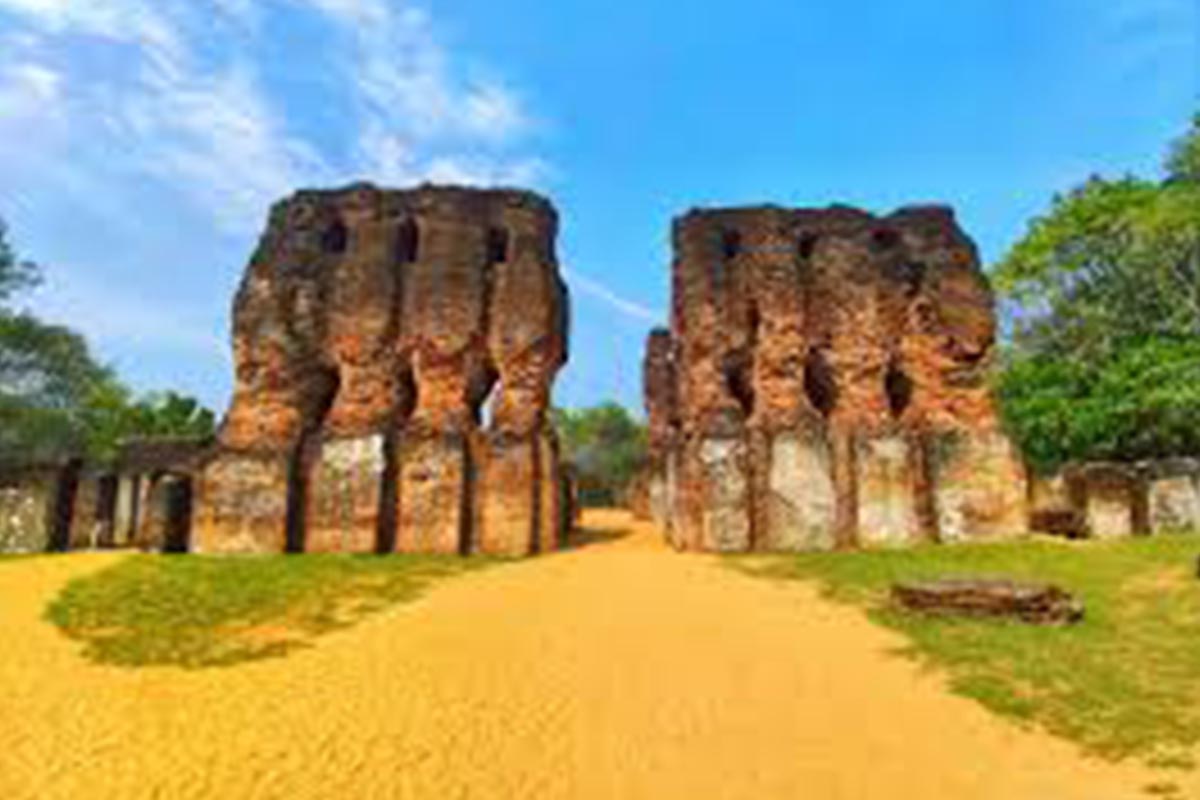
Royal Palace of King Parakramabahu

Royal Palace of King Parakramabahu

Ancient royal residence with towering stone walls.
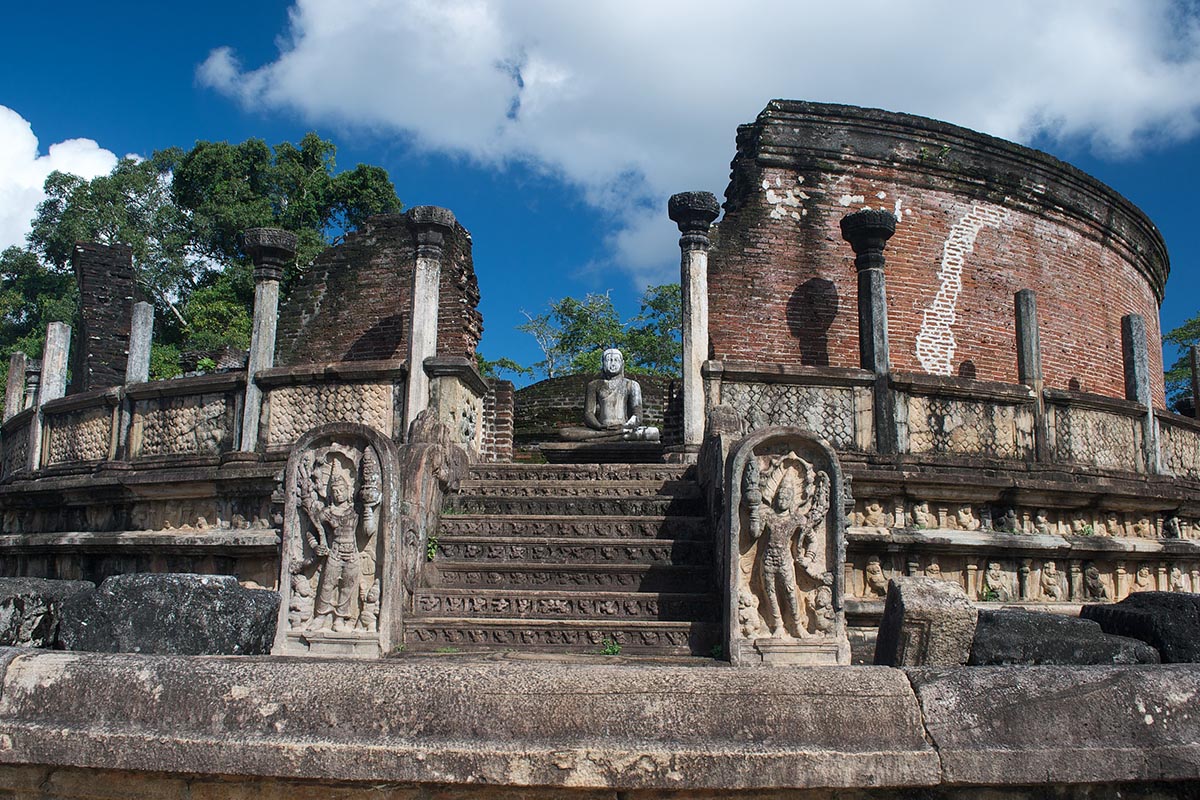
Vatadage

Vatadage

Circular shrine with detailed stone carvings.

Parakrama Samudra

Parakrama Samudra

Vast reservoir showcasing ancient water engineering.
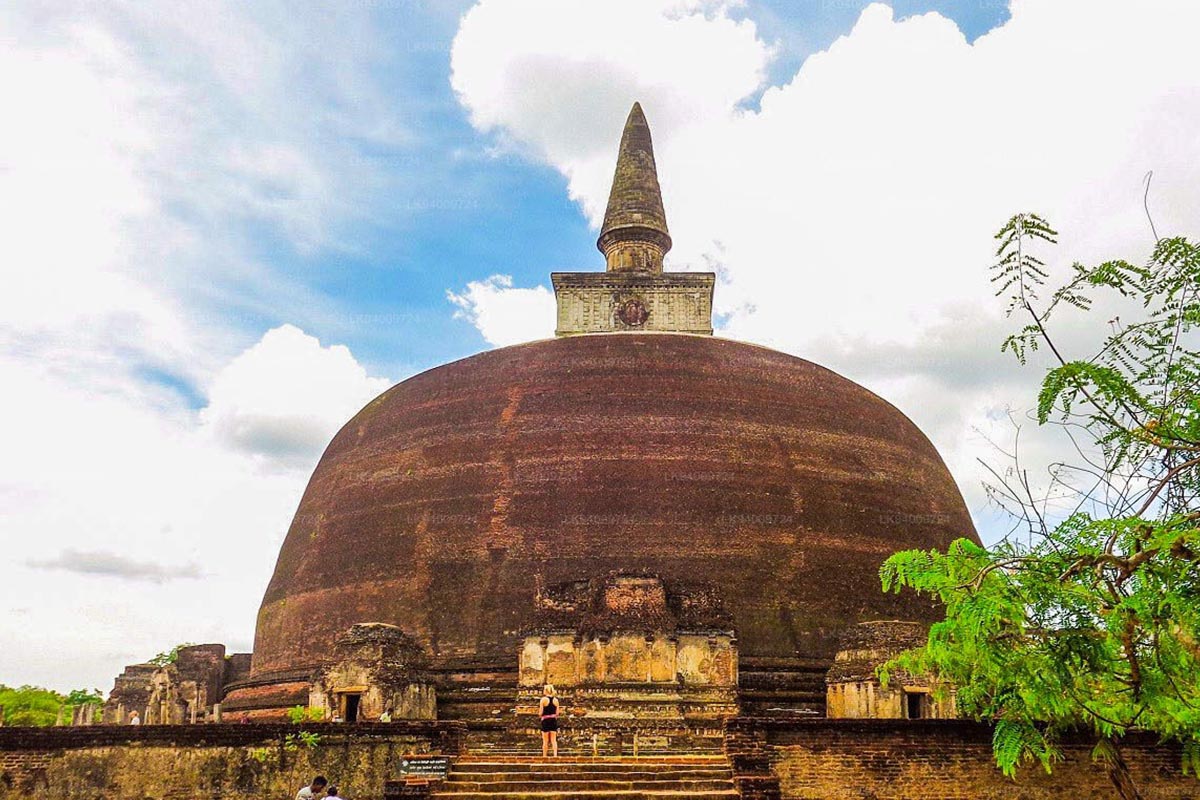
Rankoth Vehera

Rankoth Vehera

Massive stupa symbolizing Buddhist architectural grace.
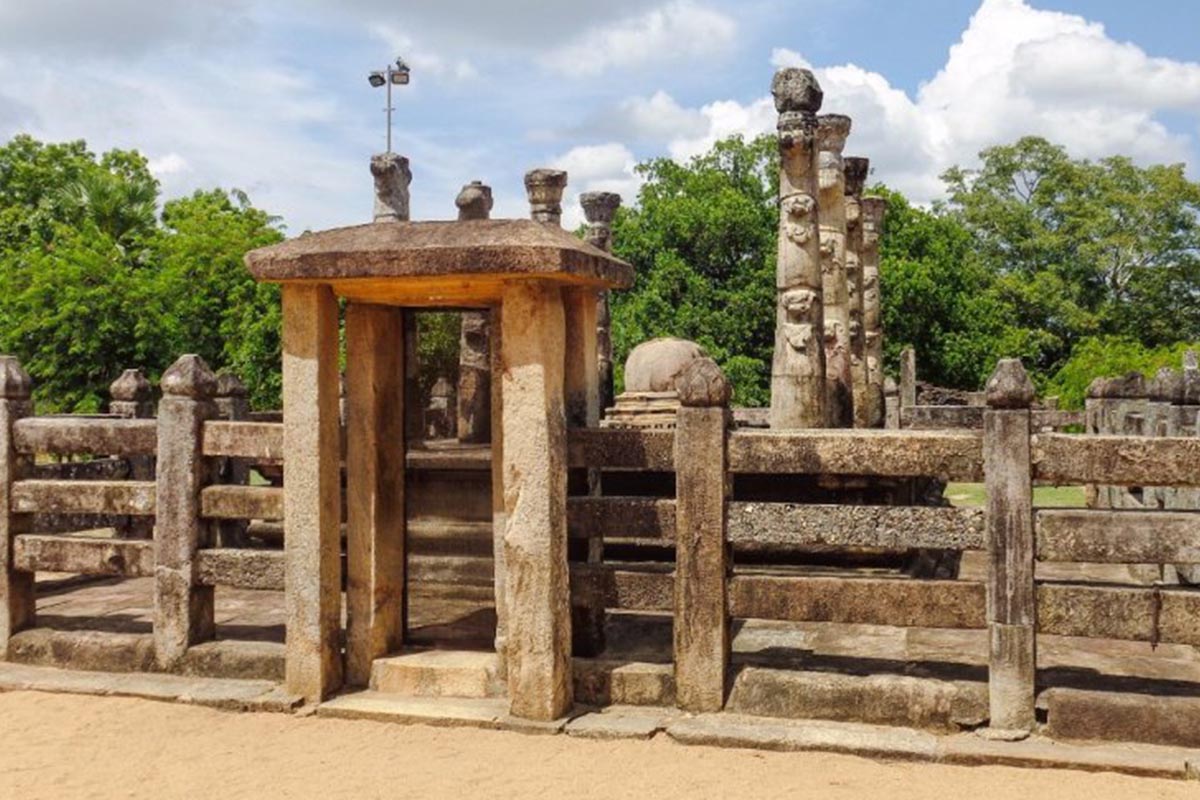
Nissanka Latha Mandapaya

Nissanka Latha Mandapaya

Lotus-pillared pavilion for sacred recitations.

Best Time to Visit

The ideal time to explore Polonnaruwa is from May to September, during the dry season. The weather is warm and sunny, perfect for walking or cycling through the ruins.

Tips for Visitors

  • Rent a bicycle to explore the archaeological site at your own pace.

  • Wear light clothing, a hat, and sunscreen – it can get quite hot during midday.

  • Hire a local guide or use an audio tour for historical insights.

  • Respect religious sites – remove shoes and hats when entering temples.