
Tour

Udawalawe National Park

Udawalawe National Park – The Best Place to See Wild Elephants

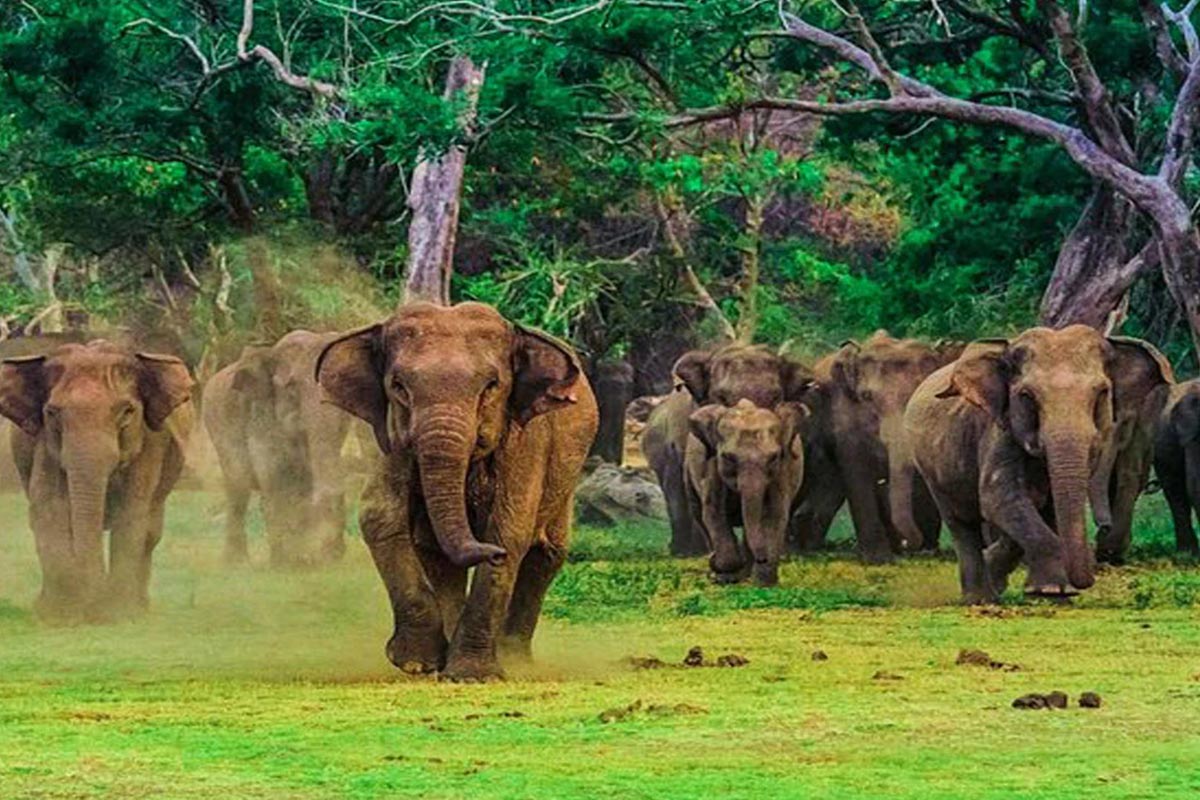
Udawalawe National Park, located in the southern part of Sri Lanka, is one of the best places in Asia to see wild elephants in their natural habitat. Covering 308 square kilometers, the park features a mix of open plains, forests, and the beautiful Udawalawe Reservoir, creating the perfect environment for a wide variety of wildlife.

It’s especially popular among travelers who want an authentic safari experience without the crowds, offering guaranteed elephant sightings and peaceful surroundings.

Why Visit Udawalawe National Park?

If seeing elephants up close is on your bucket list, Udawalawe is the place to go. You can often spot herds of elephants—including calves—bathing, feeding, or walking along the open grasslands. The park is also home to water buffalo, crocodiles, jackals, deer, and over 180 species of birds. The lack of dense jungle means better visibility, so wildlife sightings are frequent and memorable.

Unlike other parks, Udawalawe is perfect for short safaris, family trips, or anyone seeking a relaxed and scenic wildlife experience.

Top Animals to See in Yala

Udawalawe elephants

Sri Lankan Elephant

The park is famous for large elephant herds.
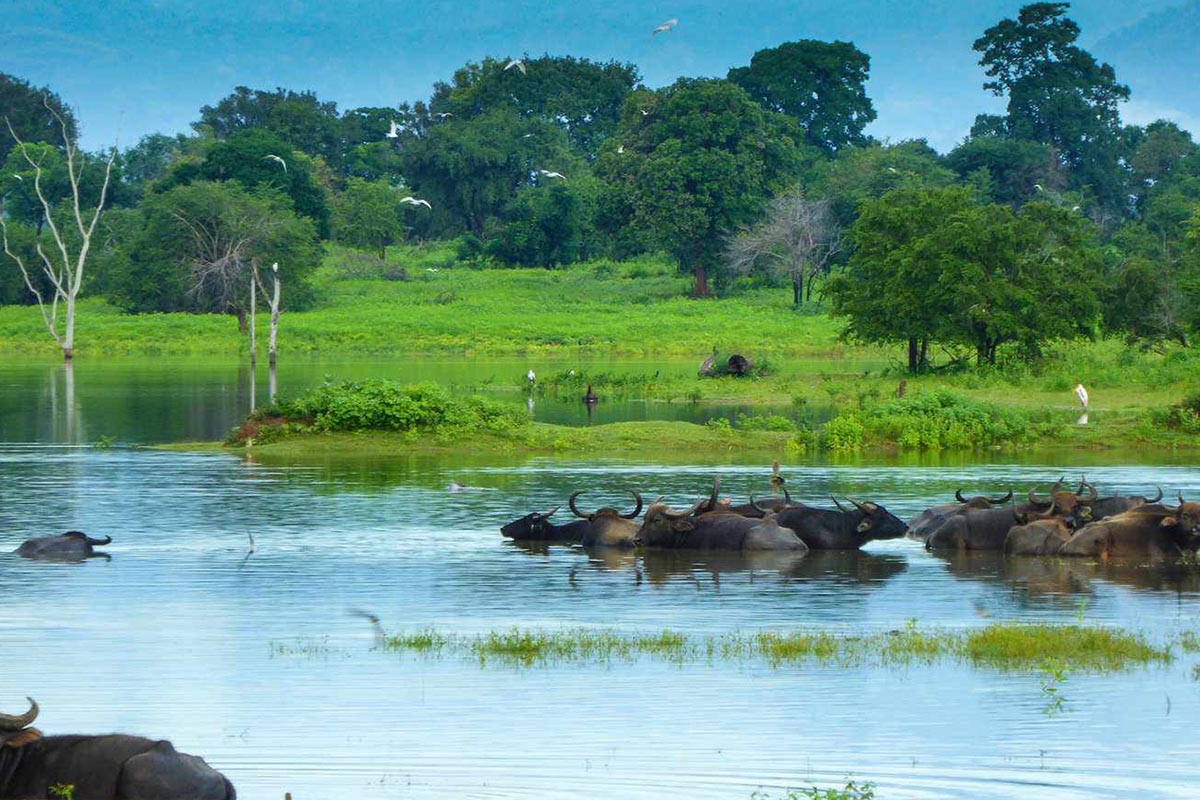
Water Buffalo

Often seen near water bodies and in open areas.
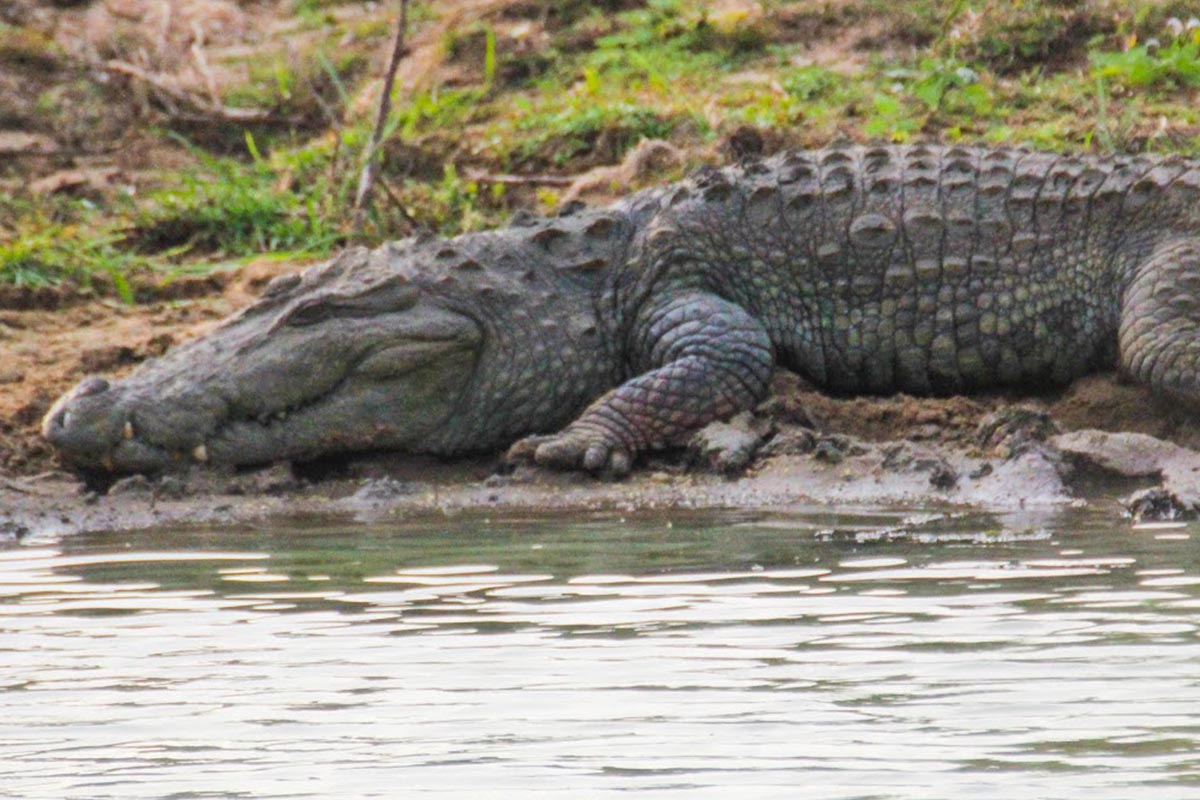
Mugger Crocodile

Mugger Crocodile

Found in rivers and around the reservoir.
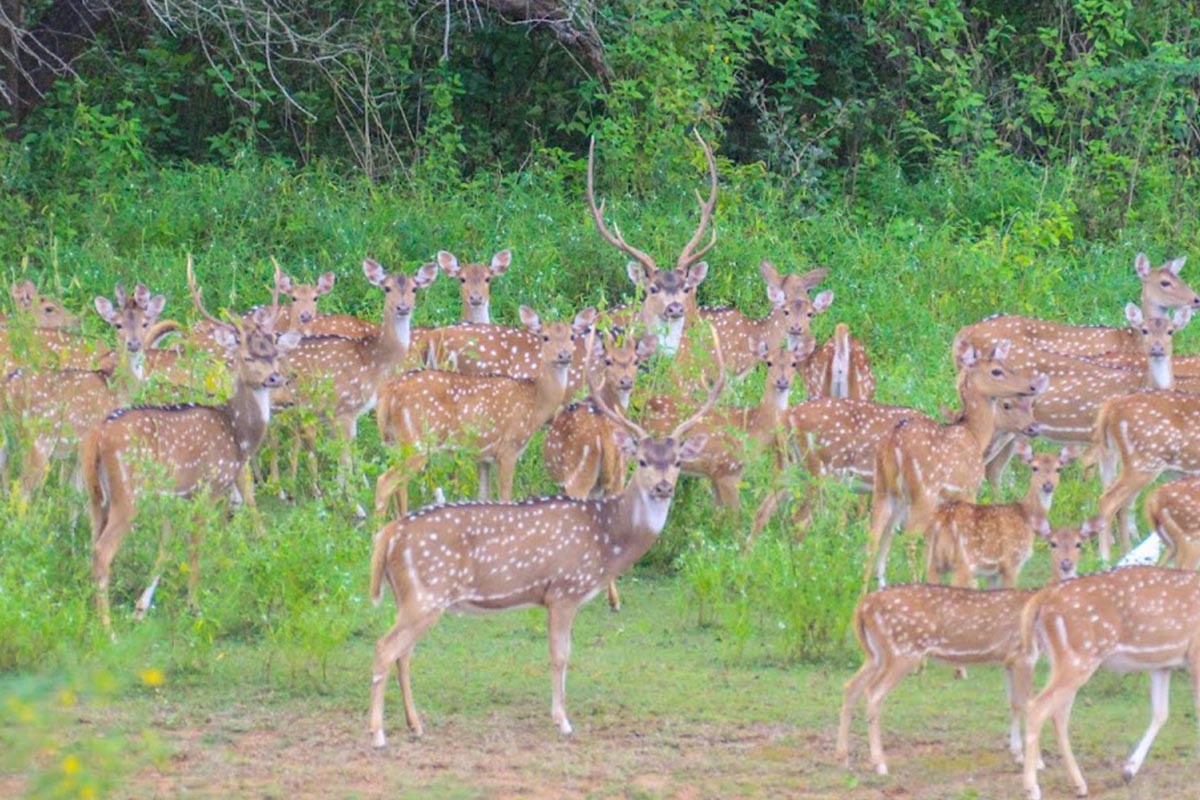
Spotted Deer

Spotted Deer

Commonly seen in groups grazing in the grasslands.
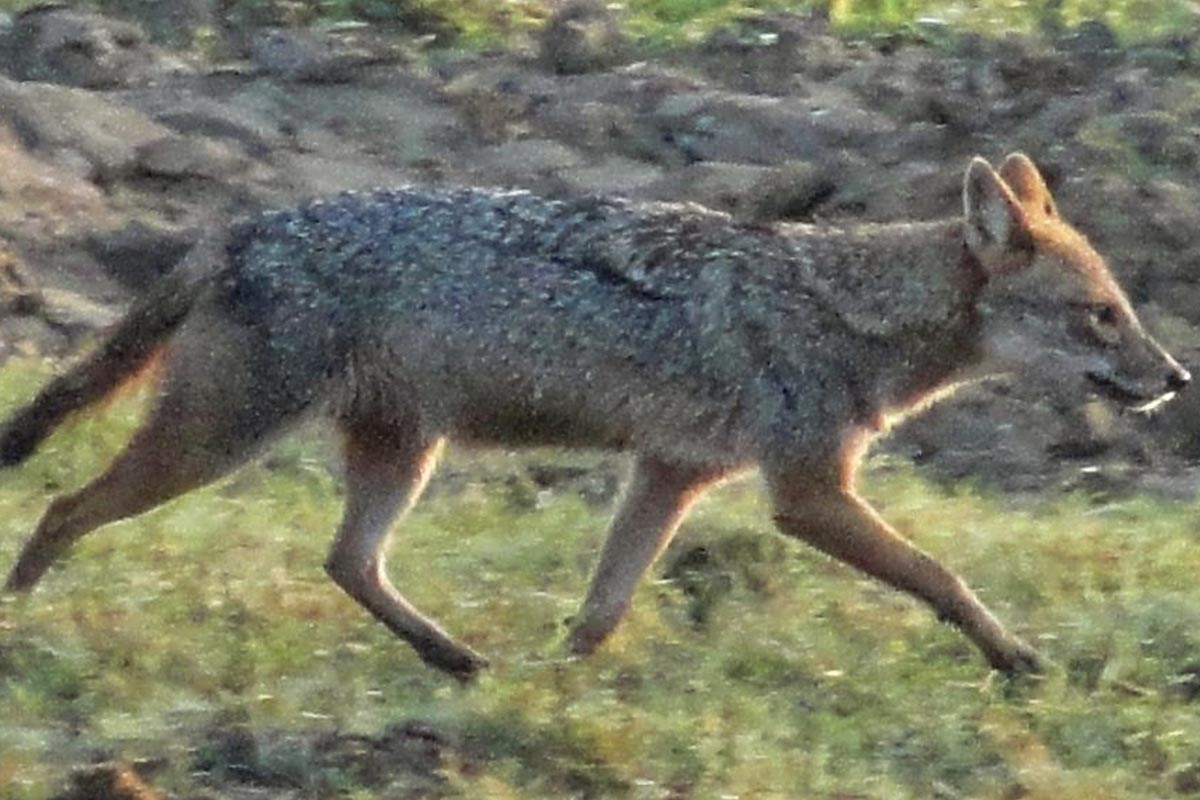
Jackal

Jackal

Sometimes spotted during early morning safaris.
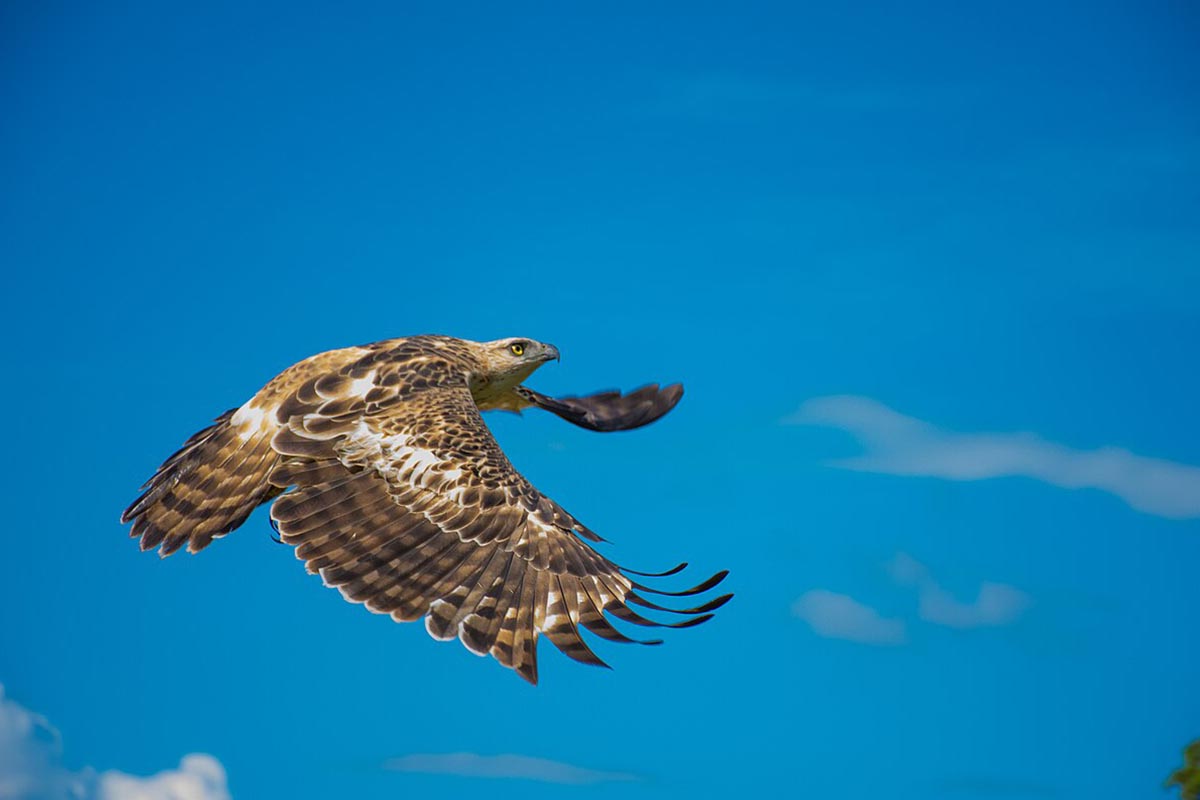
Eagles

Eagles

A haven for birdwatchers and nature lovers.

Best Time to Visit Udawalawe National Park

The best time to visit is from May to September, during the dry season, when animals are most active and gather near the reservoir. However, the park is open all year round and offers good wildlife viewing in any season.

Travel Tips

  • Visit in the early morning or late afternoon for better sightings.

  • Wear light, earth-toned clothes to blend in with nature.

  • Bring a hat, sunglasses, and sunscreen for sun protection.

  • A camera with zoom is great for wildlife photography.

  • Choose a registered guide or jeep for safety and information.